Salt is one of the most widely used food ingredients across the world, yet its potential as a vehicle for improving public health is often overlooked. In many regions, micronutrient deficiencies such as iodine, iron, and folic acid remain significant public health concerns, particularly among women, children, and vulnerable communities. To address these challenges, fortified salt has emerged as an effective and affordable method to deliver essential nutrients at the population level. With this background, our organization is proud to host a detailed Presentation on the Fortified Salt Study, a session designed to highlight research findings, impact assessments, and future opportunities in nutrition and public health.
The purpose of this presentation is to share evidence-based insights from a comprehensive study conducted on the benefits, challenges, and overall effectiveness of fortified salt interventions in targeted regions. The research examines various forms of fortification—including iodine, iron, and folic acid—and their measurable outcomes on health indicators. By presenting data collected from field surveys, laboratory analyses, and community observations, the session aims to provide participants with a clear understanding of how fortified salt can reduce micronutrient deficiencies and improve population health.
During the presentation, attendees will be introduced to the scientific approach used in the study. Experts will discuss the methodology, including sample selection, nutritional analysis, and the evaluation tools used to assess health outcomes. The findings will highlight key metrics such as changes in hemoglobin levels, reduction in anemia prevalence, improvements in cognitive development among children, and enhanced maternal health indicators. This evidence will help stakeholders understand the real-world impact and long-term benefits of introducing fortified salt into daily diets.
Another focal point of the presentation is the economic and logistical feasibility of fortified salt programs. The study carefully examines production costs, supply chain challenges, distribution methods, and consumer acceptance. Participants will gain insights into how fortified salt programs can be scaled sustainably, even in low-income communities. Practical considerations such as quality control, packaging standards, regulatory compliance, and market readiness will also be discussed in detail.
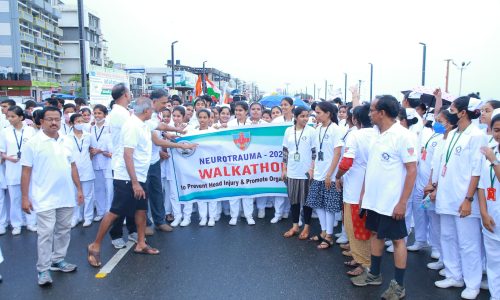
The session will also shed light on the challenges faced during the study, including community awareness barriers, misconceptions about fortified foods, and the need for improved monitoring systems. By understanding these obstacles, policymakers and program managers can design stronger, more effective interventions in the future. The presentation will include visual data charts, field photographs, and case studies to help illustrate both successes and lessons learned.
Additionally, the event will highlight the global context of salt fortification. Presenters will discuss how fortified salt programs in regions such as South Asia, Africa, and Southeast Asia have contributed to significant reductions in iodine deficiency disorders and anemia rates. This global perspective will provide valuable comparisons and help participants align their strategies with best practices from successful international initiatives.
Participants will also be invited to engage in an open discussion session following the presentation. This will allow researchers, public health officials, NGOs, nutrition experts, and community leaders to share their perspectives, ask questions, and explore collaborative opportunities. The goal is to promote knowledge exchange and encourage evidence-based decision-making for future nutrition programs.
Ultimately, the Presentation on the Fortified Salt Study aims to deepen understanding, inspire action, and support ongoing efforts to combat micronutrient deficiencies through simple, cost-effective solutions. By bringing together research, practical insights, and community experience, this event will empower stakeholders to take meaningful steps toward improving public health through fortified foods. The session reflects our commitment to advancing nutrition science and promoting healthier communities worldwide.
The primary objective of this event is to make high-quality, durable helmets accessible to the community, especially to those who may not have the financial means to purchase one. We firmly believe that the inability to buy proper safety gear should never be the reason someone’s life is put at risk. By distributing helmets at no cost, we aim to eliminate this barrier and encourage more riders—especially young people and daily commuters—to adopt responsible road behavior.
The Free Helmet Distribution Program is not just about handing out helmets; it is a complete awareness campaign designed to educate participants about the importance of road safety. During the event, attendees will learn about the life-saving impact of wearing helmets correctly, how to choose the right size, and the proper way to secure chinstraps. Demonstrations will also be conducted by trained volunteers and traffic safety officers to ensure participants fully understand the significance of protective gear.
In addition to helmet distribution, the event will feature short talks by road safety experts, medical professionals, and local authorities who will highlight real-life cases and statistics that reveal the dangers of riding without helmets. Their insights will help participants recognize that road accidents are unpredictable and that prevention is the most powerful tool we have. The event will emphasize that helmets are not merely accessories—they are essential safeguards that can determine the difference between minor injury and life-threatening trauma.
This program also seeks to foster a sense of responsibility and community engagement. By making helmet use more widespread, we hope to inspire others to adopt safer habits and influence their friends, family members, and colleagues to do the same. Road safety is not an individual task; it is a collective effort, and through this event, we aim to create a ripple effect that extends beyond the participants. The long-term vision is to build a community where every rider understands and practices basic safety measures.
The Free Helmet Distribution event will be organized in a structured and efficient manner to ensure smooth flow and safety for all attendees. Registration counters, information booths, and distribution points will be set up strategically to avoid crowding. Volunteers will guide participants, provide instructions, and help with fittings. Printed materials, including safety guidelines and awareness pamphlets, will also be distributed to reinforce the educational aspect of the program.
Our organization is committed to working closely with local government bodies, law enforcement agencies, traffic police departments, and community groups to ensure the event reaches the maximum number of people. Through collaboration and shared purpose, we believe we can make a lasting impact on road safety standards in the region.
Ultimately, the goal of the Free Helmet Distribution Program is to save lives. Every helmet handed out is a step toward reducing preventable injuries and building a culture of safety. By empowering individuals with the right knowledge and equipment, we hope to contribute to a safer, more responsible community. This event symbolizes our continued dedication to public welfare and our strong belief that even small actions can create meaningful change.